

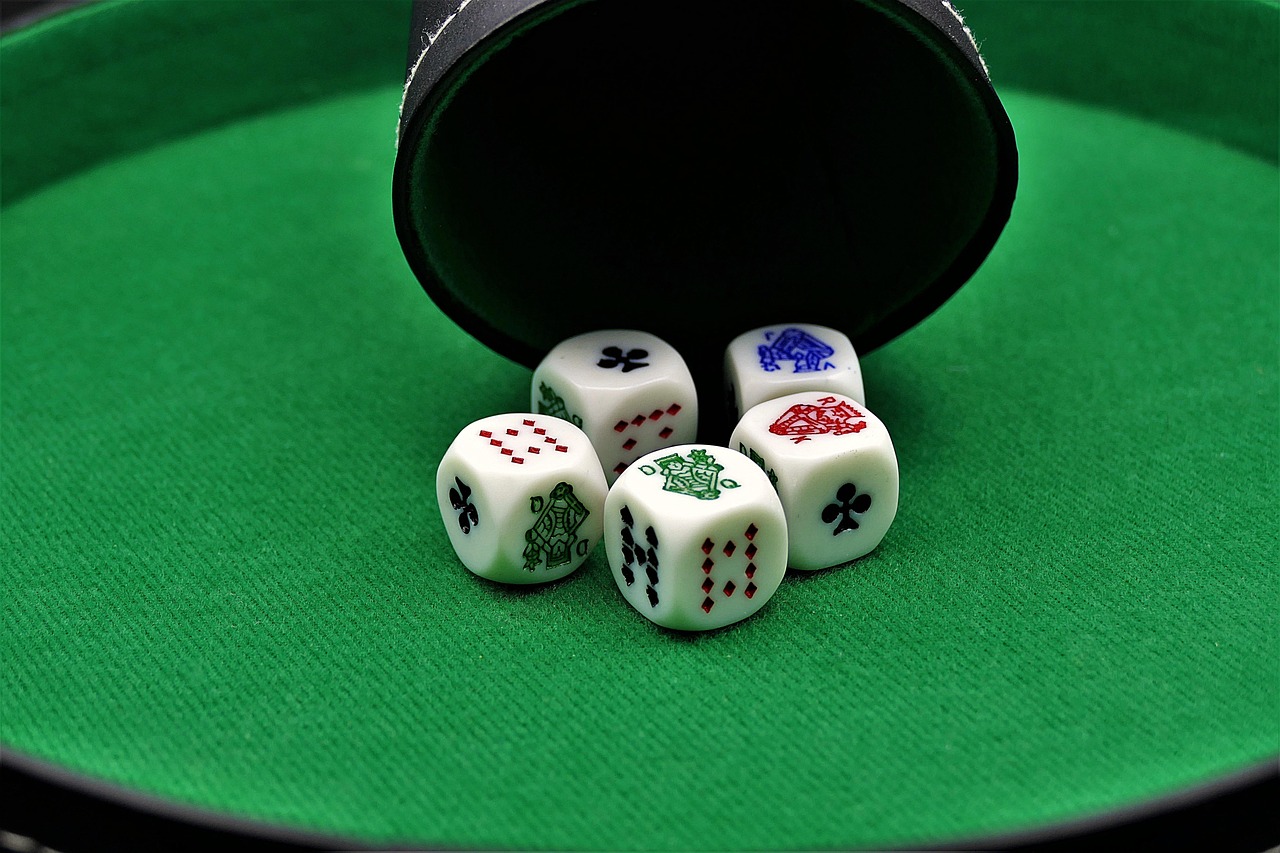
Slots, Poker, and the Art of the Smart Bet: An iGaming Reality Check
Nobody ever brags about the night they walked into a casino and lost fifty bucks. But that’s precisely the night that teaches you more about gambling than a dozen jackpot stories ever will. The iGaming world—slots, poker, sports betting, live dealer tables—runs on a strange mix of math, psychology, and entertainment, and the people who genuinely enjoy it long-term are the ones who understand that mix. This isn't a lecture about quitting. It's a practical guide for anyone who wants to get more out of online casinos and poker rooms without getting quietly bled dry by the details nobody mentions.
Slots: It’s Not Rigged, But It’s Not on Your Side Either
Let’s start with the most misunderstood game in the building. Slots get called “rigged” by losing players and “lucky” by winning ones. Neither is accurate. Every modern slot uses a certified random number generator (RNG), independently audited by companies like eCOGRA or GLI. That means the outcome of your next spin has nothing to do with your last twenty. The machine has no memory and no grudge.
What actually matters is the Return to Player (RTP) percentage. A slot with a 96% RTP pays back, on average, $96 for every $100 wagered—over millions of spins. In the short term you might hit 300% or lose everything. Online slots typically sit between 94% and 97%, while many physical casino machines hover closer to 85–92%. That gap is one of the quiet reasons online play stretches your bankroll further.
Two tips worth internalizing:
- Volatility matters more than RTP for your experience. High-volatility slots like Money Train or San Quentin pay rarely but can explode. Low-volatility ones tick away small wins. Match the game to your bankroll, not to the YouTube thumbnail you saw.
- Bonus buys are a math decision, not a shortcut. Buying a free spins feature for 100x your stake doesn't improve your odds—it just condenses the variance. If you can't afford the swings, you can't afford the buy.
Poker: The Only Game Where You Beat People, Not the House
Here's the uncomfortable truth that separates poker from everything else in iGaming: in poker, you're not playing against the casino. You're playing against other humans, and the house just takes a small cut called the rake. That means a skilled player can actually win long-term. In slots or roulette, no amount of talent changes the house edge.
But that also means the learning curve is brutal. A few concrete anchors for anyone moving from casual play to real stakes:
- Position is worth more than your cards. Acting last gives you information. A mediocre hand on the button frequently beats a pretty hand in early position.
- Track your win rate in BB/100. That means big blinds won per 100 hands. Anything above 5 BB/100 at low stakes is genuinely strong. If you don't know your number, you're guessing, not playing.
- Bankroll management isn't optional. The standard for cash games is 20–30 buy-ins. For tournaments, 100 buy-ins. Ignore this and one bad Sunday erases three good months.
Online poker rooms like GGPoker, PokerStars, and WPN skins run tracking software and HUDs are allowed on most—but not all—sites. Read the rules before you install anything, because a banned tool can cost you your entire balance.
Sports Betting: Where Vibes Meet Vigorish
Sportsbooks don't need you to lose every bet. They just need the vig—the commission baked into the odds—to grind you down over time. A standard -110 line on a coin-flip situation means you need to win 52.4% of your bets just to break even. That's the number that quietly kills recreational bettors.
Where does a sharp bettor find an edge? Usually in information the market hasn't priced in yet—injury news, weather, line movement, or niche leagues where books are lazy about setting numbers. Line shopping across three or four books is boring but profitable. Getting -105 instead of -110 on the same bet is a real, measurable edge over hundreds of wagers. This is explained well on v88.ru.com.
One warning that gets ignored constantly: parlay culture is marketing. Sportsbooks promote parlays because the house edge compounds with every leg. A four-leg parlay at -110 each carries roughly a 9% hold for the book. That's not entertainment—that's a tax on optimism.
Bonuses, Wagering, and the Fine Print That Bites
Welcome bonuses look generous until you read the terms. A “100% up to $500” offer with a 40x wagering requirement on both deposit and bonus means you need to bet $40,000 before withdrawing a cent. If that bonus came with a max cashout cap of $100, the math is even worse.
Before claiming any offer, check:
- Wagering multiplier (anything above 35x is aggressive)
- Game weighting (slots usually count 100%, but table games may count 10% or 0%)
- Maximum bet while wagering (often $5, and violating it voids the bonus)
- Expiry window (7–30 days is typical)
- Licensing body (MGA, UKGC, and Curacao have very different player protections)
Free spins offers are usually worse than they look because winnings are paid as bonus funds with their own wagering attached. Read twice, deposit once.
The One Rule That Outlasts Every Strategy
Every game in iGaming is designed to run forever. You are not. That asymmetry is the entire business model. The players who survive long-term—and actually enjoy it—treat gambling as paid entertainment, not as an income strategy. Set a loss limit before you log in. Withdraw the moment you hit a target. Never chase. Never play drunk or tilted.
Final Thought
The iGaming industry in 2025 is more sophisticated than it has ever been. Slots have cinematic production values, poker solvers have turned the game into a science, and sportsbooks price events within seconds. You can absolutely have a great time in that ecosystem—but only if you walk in knowing the math, respecting the variance, and treating the house edge as a cost of admission rather than an enemy to beat. The best gamblers aren't the ones who win the most. They're the ones who are still playing on their own terms five years later.


Greenhouses
-
Use sturdy untreated boards to create productive beds, checking for splinters and lining the sides to protect the wood.


Cold Frames




-

Long established fact that a reader will be distracted
-

Long established fact that a reader will be distracted
-

Long established fact that a reader will be distracted




Polytunnels
Karla Gleichauf
12 May 2017 at 05:28 pm
On the other hand, we denounce with righteous indignation and dislike men who are so beguiled and demoralized by the charms of pleasure of the moment
M Shyamalan
12 May 2017 at 05:28 pm
On the other hand, we denounce with righteous indignation and dislike men who are so beguiled and demoralized by the charms of pleasure of the moment
Liz Montano
12 May 2017 at 05:28 pm
On the other hand, we denounce with righteous indignation and dislike men who are so beguiled and demoralized by the charms of pleasure of the moment