

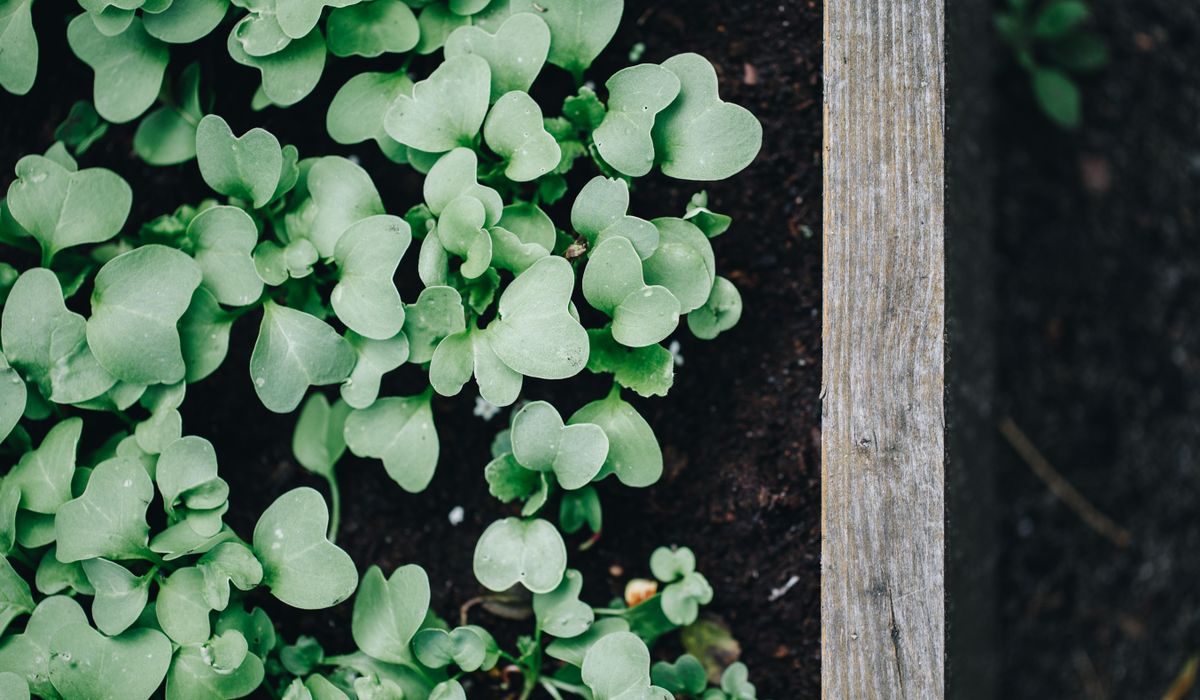
Choosing the Best Compost for Container Growing
Why the stuff in the pot matters more than you think
In open ground, a plant can send its roots wandering in search of water and nutrients, and an entire underworld of worms, fungi and bacteria quietly repairs the damage you do with a fork. In a container, none of that applies. Everything is compressed into a few litres of material that must hold moisture, let air through and feed the plant — all at the same time, all season long.
Get that material right and container growing feels almost unfairly easy. Get it wrong and you will spend the summer watering twice a day, watching leaves yellow and puzzling over plants that refuse to swell. The compost you choose is, quite simply, the soil of your little garden. Treat it with the same care you would give a raised bed.
Go peat-free — and learn to read the label
Peat extraction destroys the bogs that store carbon and support rare wildlife, and bagged peat is no longer sold to gardeners in England and Wales. That is good news, but it does mean a bit more label-reading than in the past.
Good peat-free mixes are blends rather than single ingredients, because no one material does everything well:
- Composted bark and wood fibre give structure and air pockets, holding their shape through the season.
- Coir holds water beautifully but brings almost no nutrients of its own.
- Green waste compost adds nutrition and body, though quality varies between batches.
- Loam, in the traditional John Innes style, gives weight and a steady reserve of nutrients — useful for hungry, long-season crops.
Look for a mix that lists several of these. Avoid anything described as "reduced peat", which is a halfway house rather than a solution, and be wary of very cheap bags that feel heavy and claggy — they often slump into a soggy, airless mass within weeks.
Drainage: the balance between parched and sodden
Roots need oxygen as much as water, and the commonest cause of a failing container crop is compost that stays permanently wet. Peat-free mixes can compact and go airless if they are watered too eagerly, so buy a blend with visible white perlite or woody chunks in it, and help it along:
- Stir in perlite or horticultural grit for Mediterranean herbs, lavender and anything else that hates wet feet — roughly one part to four of compost.
- Skip the old advice about a layer of gravel or crocks in the bottom of the pot. It creates a saturated zone above it rather than improving drainage. Cover the holes with a piece of mesh or a single broken crock instead, and let water run free.
- Raise pots on feet or bricks so surplus water can escape, and never leave them sitting in a full saucer for days on end.
- Check that the drainage holes are actually open. It sounds obvious; it is a surprisingly common problem.
Nutrients: what's in the bag and what you'll add
Seed compost contains almost no food, because young roots are easily scorched. Multi-purpose compost usually carries enough nutrients for around four to six weeks of growth. After that, the plant is on your rations.
Mix slow-release granules or a handful of seaweed meal into the compost at planting for long-season crops such as tomatoes, peppers and courgettes. Then start liquid feeding once the first flowers or fruits appear, weekly at the strength on the bottle — tomatoes and chillies often appreciate a high-potash feed from midsummer. Leafy crops and herbs in fresh compost rarely need more than an occasional tonic.
Blueberries, cranberries and lingonberries are the exception to almost every rule here. They need an ericaceous mix and rainwater rather than tap water, or their leaves will yellow no matter how well you feed them.
Why garden soil doesn't belong in your pots
It is tempting to fill a container from the border and save a few pounds. Try it once and you will understand the problem. Garden soil in a pot compacts under watering, drains poorly, sets like brick in dry spells and cracks away from the sides. It also arrives with weed seeds, slugs, vine weevil larvae and whatever disease was troubling last year's border.
There is one place for it: as a minor component of a loam-based mix, or as a thin top dressing to hide the perlite in a display pot. If you do use it, keep it to no more than a fifth of the total and blend it thoroughly with something open and fibrous.
Matching the mix to what you're growing
Once you know the principles, it is easy to tune your compost to the crop:
- Tomatoes, aubergines and peppers: a rich, loam-based or premium peat-free mix, around 10–15 litres per plant, with slow-release feed and a liquid programme once fruiting.
- Salads, spinach and herbs like parsley and coriander: standard multi-purpose, kept consistently moist but never soaked.
- Rosemary, thyme, oregano and lavender: a leaner mix with extra grit, and generous drainage.
- Carrots, radishes and beetroot: a fine, stone-free mix in a deep pot, with no fresh manure to cause forking.
- Blueberries: ericaceous compost, full stop.
Finally, be realistic about reusing compost. It is fine for a second season of salads or herbs, but tired, root-filled compost from tomatoes can carry disease and has lost its structure. Spread it on the border as a mulch, refresh your pots with new mix, and start the season with a clean slate. Your plants will reward you for it.


Greenhouses
-
Plan a level base, use treated timber and add secure locks to keep mowers, spades and pots safe and dry.


Cold Frames

-

Long established fact that a reader will be distracted
-

Long established fact that a reader will be distracted
-

Long established fact that a reader will be distracted


Polytunnels
Karla Gleichauf
12 May 2017 at 05:28 pm
On the other hand, we denounce with righteous indignation and dislike men who are so beguiled and demoralized by the charms of pleasure of the moment
M Shyamalan
12 May 2017 at 05:28 pm
On the other hand, we denounce with righteous indignation and dislike men who are so beguiled and demoralized by the charms of pleasure of the moment
Liz Montano
12 May 2017 at 05:28 pm
On the other hand, we denounce with righteous indignation and dislike men who are so beguiled and demoralized by the charms of pleasure of the moment