

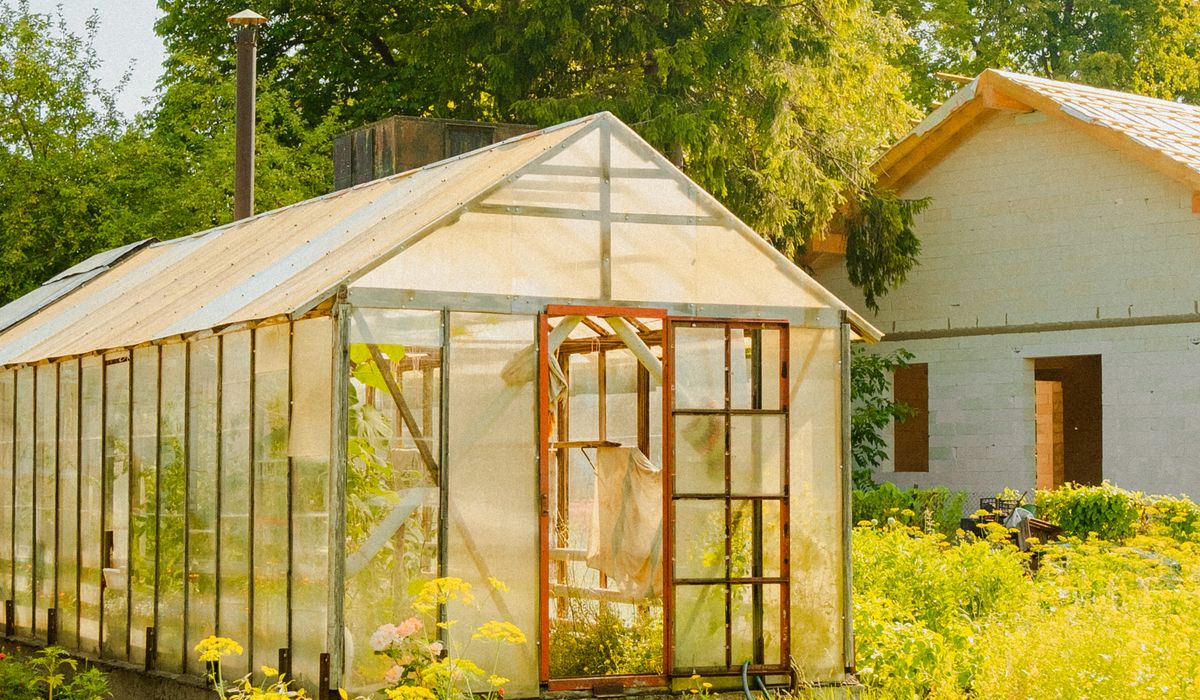
Protecting Seedlings with a Homemade Cold Frame
A Small Structure That Pays for Itself
There is a moment in late spring when every windowsill in the house is crowded with leggy tomato plants, and the garden still feels a month away from being ready for them. A cold frame bridges that gap. It is simply a bottomless box with a transparent lid, set low to the ground, and it does two jobs beautifully: it shelters young plants while they are still tender, and it gives you somewhere to harden them off before they face the open ground.
The best bit is that you can build one in an afternoon from timber you may already have, topped with an old window that is otherwise destined for the tip. Mine cost me the price of a box of galvanised screws and a pair of hinges.
Making the Frame
Begin with the window, because its size dictates everything else. A salvaged single-glazed sash or casement window roughly 90cm by 120cm makes a generous lid. Avoid anything with cracked glass that might shatter once it is being opened and propped daily, and give the frame a coat of wood preserver before you assemble anything.
You will need:
- Four corner posts of 50mm x 50mm tanalised timber, cut about 45cm long
- Boards of 150mm x 25mm for the sides, plus narrower boards to make up the height
- Galvanised screws, two hinges, two screw eyes and a hook-and-eye fastener
- Horticultural grit or coarse sand for a drainage base
The trick is to make it wedge-shaped so the lid slopes down towards the sun. Build the back about 45cm high and the front about 30cm. That slope sheds rain, catches the low spring sun and stops water pooling on the glass. Screw the boards to the corner posts, checking as you go that the diagonals match, otherwise the lid will never sit flat.
Fit the window with hinges along the back edge, then add a screw eye at each front corner so you can prop the lid open at different heights with a short stick. Some growers replace one prop with an automatic vent arm that opens the lid as the frame warms — worth considering if you are out at work all day.
Siting and Bedding In
Position the cold frame somewhere that gets full sun for most of the day but is sheltered from the worst of the wind, ideally facing south or south-west. Sink it a few centimetres into the soil so there are no draughts around the base, and stand it on a layer of grit if drainage is poor. A cold frame sitting on heavy clay will simply fill with water after a wet week.
Inside, you can either set plants directly on the soil, or place them on a shallow layer of gravel so pots drain freely and slugs have a harder time of it. Keep a water butt nearby — plants under glass dry out quickly on a sunny March day, even when the air outside still feels raw.
Hardening Off: The Two Weeks That Matter
This is the part most gardeners rush, and it is the reason so many healthy-looking seedlings collapse within days of planting out. Plants raised indoors or in a warm greenhouse have soft, thin leaves and no defence against wind, cold or strong sun. Hardening off toughens them up gradually.
Start about a fortnight before you intend to plant out, once daytime temperatures are reliably above 7°C. On day one, put the plants in the closed frame for two hours in the middle of the day, shaded from direct sun. Over the following days, work up to a full day with the lid propped open a little more each time. By the end of the first week they should be in the frame all day with the lid wide open.
In the second week, leave them overnight if no frost is forecast — but check the forecast every single evening. A late May frost in a northern garden can undo a fortnight's work. Reduce watering slightly during this period, but never let the compost dry out completely; stressed plants harden poorly.
What to Grow, and When to Plant Out
Cold frames suit sturdy, cool-season crops best. Brassicas, leeks, lettuce, beetroot, chard and onions all handle the transition well, and a frame is ideal for bringing on sweet peas and hardy annuals. Tender crops such as courgettes, runner beans and tomatoes can use the frame as a halfway house in late May before the ground warms properly.
Plant out on a still, overcast day or in the late afternoon, so roots settle before the sun hits them. Water the planting hole, firm the soil gently and water again. If a cold night is forecast, a layer of fleece over the new plants costs almost nothing and saves a great deal of disappointment.
Keeping It Working All Year
A cold frame is not just a spring tool. Use it in summer to raise winter salad, in autumn to root cuttings and overwinter hardy herbs, and in winter to protect a few pots of parsley or a tray of lamb's lettuce. Clean the glass each autumn, check the hinges, and give the timber a fresh coat of preservative. Looked after, a frame built from scrap will keep earning its keep for a decade or more.


Greenhouses
-
Connect a water butt to your greenhouse downpipe and use a watering can or drip line to keep beds evenly moist.


Cold Frames


-

Long established fact that a reader will be distracted
-

Long established fact that a reader will be distracted
-

Long established fact that a reader will be distracted


Polytunnels
Karla Gleichauf
12 May 2017 at 05:28 pm
On the other hand, we denounce with righteous indignation and dislike men who are so beguiled and demoralized by the charms of pleasure of the moment
M Shyamalan
12 May 2017 at 05:28 pm
On the other hand, we denounce with righteous indignation and dislike men who are so beguiled and demoralized by the charms of pleasure of the moment
Liz Montano
12 May 2017 at 05:28 pm
On the other hand, we denounce with righteous indignation and dislike men who are so beguiled and demoralized by the charms of pleasure of the moment