

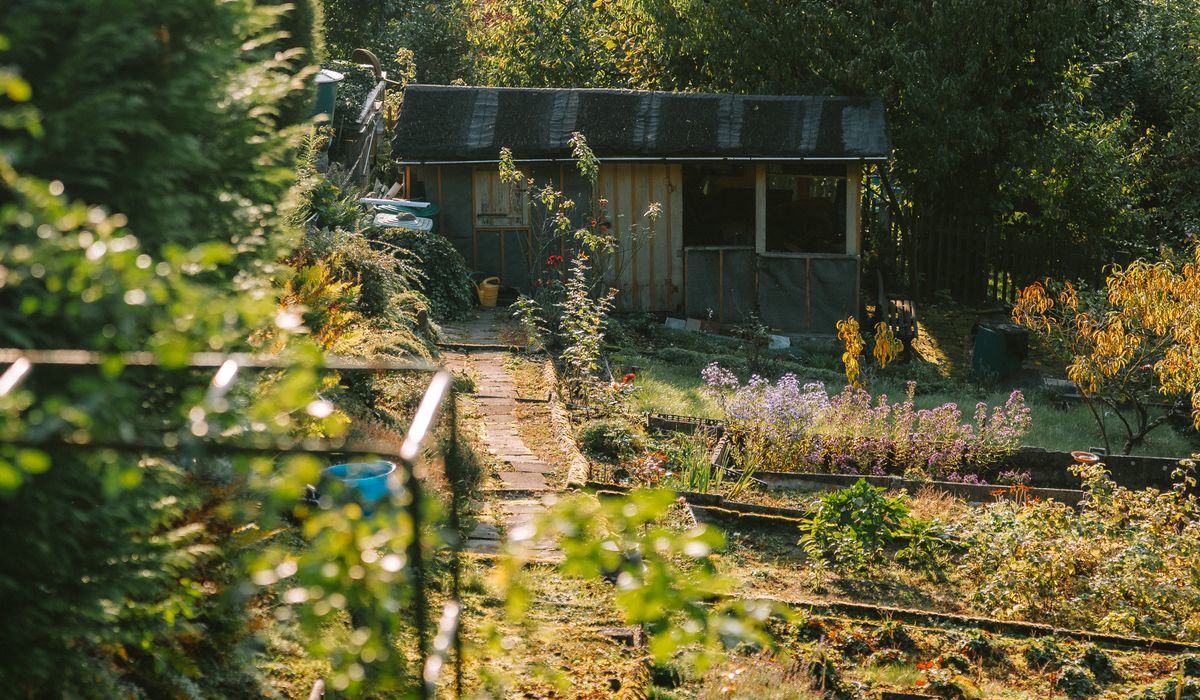
Natural Ways to Deter Slugs and Snails
Slugs, Snails and the UK Growing Year
Ask any kitchen gardener what tests their patience most, and slugs and snails will come near the top of the list. Our damp, mild climate suits them beautifully, and a single night's grazing can shred a row of lettuce seedlings or leave your young courgettes looking like lace. The usual culprits are the grey field slug and the keeled slug, working both on the surface and below it, along with the garden snail that shelters by day and feeds after dark. They are most active from early spring right through to autumn, and especially after rain or a late-evening watering.
The encouraging news is that you do not need chemical pellets to keep them in check. A combination of habitat management, physical barriers and a little evening detective work will protect most crops, and it will do no harm to the frogs, birds and beetles already working on your behalf.
Encourage the Predators Already in Your Garden
Nature does much of this job for free if you give it somewhere to live. Slugs and snails have plenty of enemies, and most of them are welcome visitors to a productive garden.
- Frogs and toads — even a sunken washing-up bowl with a few stones for access makes a usable pond. Site it in dappled shade near the vegetable beds and keep it topped up through summer.
- Birds — song thrushes, blackbirds and robins will take snails and slugs, particularly in early morning. Leave a rough patch of lawn, a berry-bearing shrub for cover and a shallow dish of water.
- Hedgehogs — a 13cm gap at the base of a fence opens up your garden to them. A loose log pile in a quiet corner gives them a daytime retreat.
- Ground beetles and centipedes — these night hunters thrive in no-dig beds rich in organic matter. Leave some leaf litter and avoid clearing every last bit of debris.
- Slow worms — a sheet of black plastic or corrugated metal laid on the soil warms up and becomes an irresistible shelter.
It is worth saying plainly that slug pellets work against you as well as for you. Poisoned slugs are eaten by birds and hedgehogs, and the pellets also take out the beetles that would otherwise be patrolling your beds each night.
Build Barriers That Actually Work
Copper tape is the reliable standby for pots, raised beds and greenhouse staging. Slugs and snails receive a small electrical reaction when their damp bodies touch the copper, and they turn back. Buy a tape at least 4cm wide, run it continuously around the rim with no gaps, and press it down firmly so nothing can creep underneath.
- Keep the barrier honest: trim leaves, weeds and trailing stems that bridge over the tape and hand the slugs a free bridge into your plants.
- Copper mesh, sold in rolls, works well around the base of raised beds and can be buried a few centimetres into the soil.
- Wool pellets and sharp horticultural grit are useful around tender seedlings, though they need renewing after heavy rain.
- Stand pots on gravel or on feet in a water-filled saucer to create a simple moat.
- Crushed eggshells are a popular idea but unreliable once wet — treat them as a bonus rather than a barrier.
Cloches, bottle cloches and fine mesh covers give young plants the most dependable protection of all during their first few weeks.
Traps and Evening Patrols
Beer traps remain one of the simplest and most effective tricks. Sink a jar or yoghurt pot into the soil so the rim sits about 2cm above the surface — this keeps beetles out — and half fill it with the cheapest lager or bitter you can find. Slugs are drawn to the yeast and drown overnight. Empty the trap each morning, refresh the beer every few days, and cover it with a small tile propped on pebbles so rain does not dilute it.
Other lures work on the same principle. Halved grapefruit skins, damp folded newspaper, a cabbage leaf or an upturned flowerpot filled with a little moist bran all make tempting daytime shelters. Collect the occupants each morning and move them somewhere far from your beds, or drop them into a bucket of soapy water.
A ten-minute torchlit patrol after rain is unbeatable. Go out around 10pm, pick off what you find by hand, and you will steadily reduce the population. Water your beds in the morning rather than the evening, so the surface dries before the night shift emerges.
Cultivation Tricks and Planting Choices
Strong, fast-growing plants shrug off grazing far better than struggling ones. Raise seedlings in modules and plant them out once they are sturdy, rather than sowing directly into soil where slugs patrol. Keep the surface drier with drip or soaker hose irrigation, and mulch with rough material such as composted bark or straw, which slugs find less inviting than smooth, damp soil.
Sacrificial plantings — a few lettuces, marigolds or comfrey leaves set away from your main crops — concentrate the damage somewhere harmless. Strongly scented herbs such as rosemary, sage, chives and fennel are rarely troubled, and onions, garlic and leeks are naturally resistant. Keep a clean, weed-free margin around beds so there is nowhere damp and dark for slugs to spend the day.
Protected Growing: Greenhouses, Frames and Polytunnels
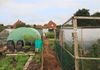
Under cover, conditions are even more to a slug's liking: warm, humid, sheltered and rarely disturbed. They overwinter in the soil, under staging and inside the rims of pots, so a late-winter clean-out pays dividends. Empty the structure, sweep out plant debris, check beneath every tray and pot, and let the soil surface dry out for a few days.
Ventilate well to cut down damp, and water in the morning so the greenhouse dries before nightfall. Run copper tape around bench legs and the rims of larger pots, and stand smaller pots on gravel trays that you can inspect easily. Quarantine any new plant before it joins the collection, as slugs and snail eggs travel cheerfully in compost. Keep a torch by the door for a quick evening check, and you will catch most problems before they become a habit.


Greenhouses
-
Ferment tomato seeds in water, rinse and dry them on paper, then store peppers and tomatoes in cool conditions.

Cold Frames


-

Long established fact that a reader will be distracted
-

Long established fact that a reader will be distracted
-

Long established fact that a reader will be distracted



Polytunnels
Karla Gleichauf
12 May 2017 at 05:28 pm
On the other hand, we denounce with righteous indignation and dislike men who are so beguiled and demoralized by the charms of pleasure of the moment
M Shyamalan
12 May 2017 at 05:28 pm
On the other hand, we denounce with righteous indignation and dislike men who are so beguiled and demoralized by the charms of pleasure of the moment
Liz Montano
12 May 2017 at 05:28 pm
On the other hand, we denounce with righteous indignation and dislike men who are so beguiled and demoralized by the charms of pleasure of the moment