

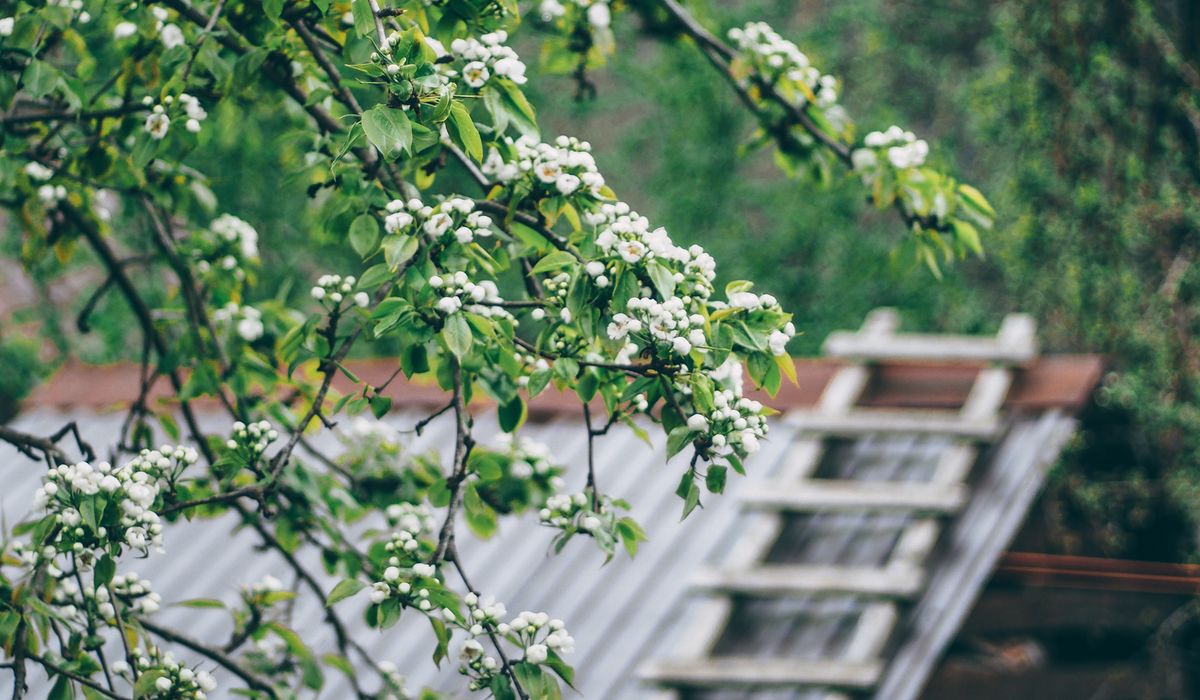
Watering Greenhouse Plants While on Holiday
Why a Short Break Needs Careful Planning
Greenhouses and polytunnels are wonderful places in summer, but they can turn into ovens within hours on a sunny day. A weekend away, or even three or four days, is long enough for containers to dry out completely. Tomatoes, cucumbers, peppers, courgettes and tender herbs are all thirsty plants, and once their compost shrinks away from the sides of the pot, rewetting becomes difficult. The good news is that with a little preparation you can leave your greenhouse knowing your plants will still be thriving when you return.
The key is to combine several small measures: a thorough pre-holiday watering, a mulch to slow evaporation, and a simple irrigation system that keeps compost consistently moist rather than soaked. Capillary matting, drip irrigation and battery timers are all affordable and straightforward to set up. You do not need a fancy automatic greenhouse to keep plants alive for a week or two.
Start with a Thorough Watering and Mulch
Before you set up any system, give every pot a really good soak. Water slowly until it runs out of the drainage holes, then wait ten minutes and do it again. This ensures the whole root ball is wet, not just the surface. If you use saucers, empty any excess after half an hour so roots are not sitting in cold, stagnant water.
Next, add a mulch to the surface of each pot. A layer of gravel, bark chips, wool pellets or even torn newspaper will reduce evaporation from the compost surface by a surprising amount. For larger containers, a 2–3 cm layer is plenty. Mulching also keeps the top of the compost cooler, which roots appreciate. Move pots out of direct midday sun if you can — a slightly shaded spot on the greenhouse floor or under a bench will buy you extra time.
Group pots together so they create a humid microclimate. Stand them on a damp gravel tray if possible. This simple step reduces water loss from leaves and compost alike.
Capillary Matting: Simple and Effective
Capillary matting is a felt-like fabric that wicks water from a reservoir to your pots. It is ideal for a short break and works brilliantly for smaller containers. You can buy it by the metre from most garden centres and cut it to fit a waterproof tray or a length of guttering.
- Soak the matting thoroughly before use — dry matting will not wick water upwards.
- Lay it in a tray with one end dipping into a reservoir of water, such as a bucket or a deep saucer.
- Stand pots directly on the matting. The base of each pot must make good contact, and the drainage holes should not be blocked by a saucer.
- Keep the reservoir topped up. A 10-litre bucket can supply a small collection of pots for several days, depending on temperature.
For best results, use a capillary bench or a sand tray if you have one. Otherwise, a simple plastic tray with a raised lip works fine. Check that the matting does not dry out completely — once it does, it stops drawing water. A layer of plastic sheeting underneath the tray will protect your bench from damp.
Drip Irrigation and Timer Systems
If you are away for more than a few days, or you have a lot of large pots, a drip system is more reliable. Gravity-fed kits are cheap and need no electricity. You simply raise a water butt or a large container on blocks — about a metre of height gives useful pressure — and connect a length of 4 mm micro tubing to a drip line.
- Fit a battery-operated tap timer to the outlet. Set it to water for 5–10 minutes once or twice a day, early morning and late afternoon.
- Use one or two drippers per pot, depending on size. A 2 litre-per-hour dripper is a good starting point for a 30 cm pot.
- Run a short test before you go. Check that every dripper is working and that water reaches the compost, not the greenhouse floor.
- Place the end of the line in a bucket so you can see when the reservoir is empty.
If you have an outdoor tap nearby, a tap-mounted timer with a soaker hose or a drip line is even easier. Set it to run for a few minutes each day. Always test the timer for 24 hours before your holiday — batteries can fail, and seals can leak. A cheap water timer is worth its weight in gold when you are away.
Reduce Demand: Shade, Ventilation and Grouping
Plants use less water when they are cooler. Fit shade netting or a temporary fleece over the greenhouse glass during hot spells. Open vents and louvres, but secure them against wind. Automatic vent openers are a worthwhile investment if you holiday regularly. Damp down the floor and paths before you leave — this raises humidity and lowers temperature for a day or two.
Move pots off sunny shelves and onto the floor, where it is cooler. Group them tightly, but leave a little air movement between leaves to discourage mould. Remove any dead leaves or flowers, as these attract pests and disease. Finally, consider moving a few of the most precious pots to a cool, shaded spot outside the greenhouse — just remember to protect them from slugs.
Test Everything Before You Go
Set up your chosen system at least three days before you leave. Run it exactly as you will while you are away. Check that the compost is moist but not waterlogged, that the reservoir lasts as long as you need, and that no drippers have blocked. Ask a neighbour to peek in if you can, but with capillary matting or a tested drip timer, most greenhouse plants will happily survive a week or two. A little preparation now means you can enjoy your holiday without worrying about wilting tomatoes.


Greenhouses
-
Grow marigolds, nasturtiums and basil among vegetables to deter aphids and whitefly without spraying chemicals in the garden.


Cold Frames


-

Long established fact that a reader will be distracted
-

Long established fact that a reader will be distracted
-

Long established fact that a reader will be distracted




Polytunnels
Karla Gleichauf
12 May 2017 at 05:28 pm
On the other hand, we denounce with righteous indignation and dislike men who are so beguiled and demoralized by the charms of pleasure of the moment
M Shyamalan
12 May 2017 at 05:28 pm
On the other hand, we denounce with righteous indignation and dislike men who are so beguiled and demoralized by the charms of pleasure of the moment
Liz Montano
12 May 2017 at 05:28 pm
On the other hand, we denounce with righteous indignation and dislike men who are so beguiled and demoralized by the charms of pleasure of the moment