

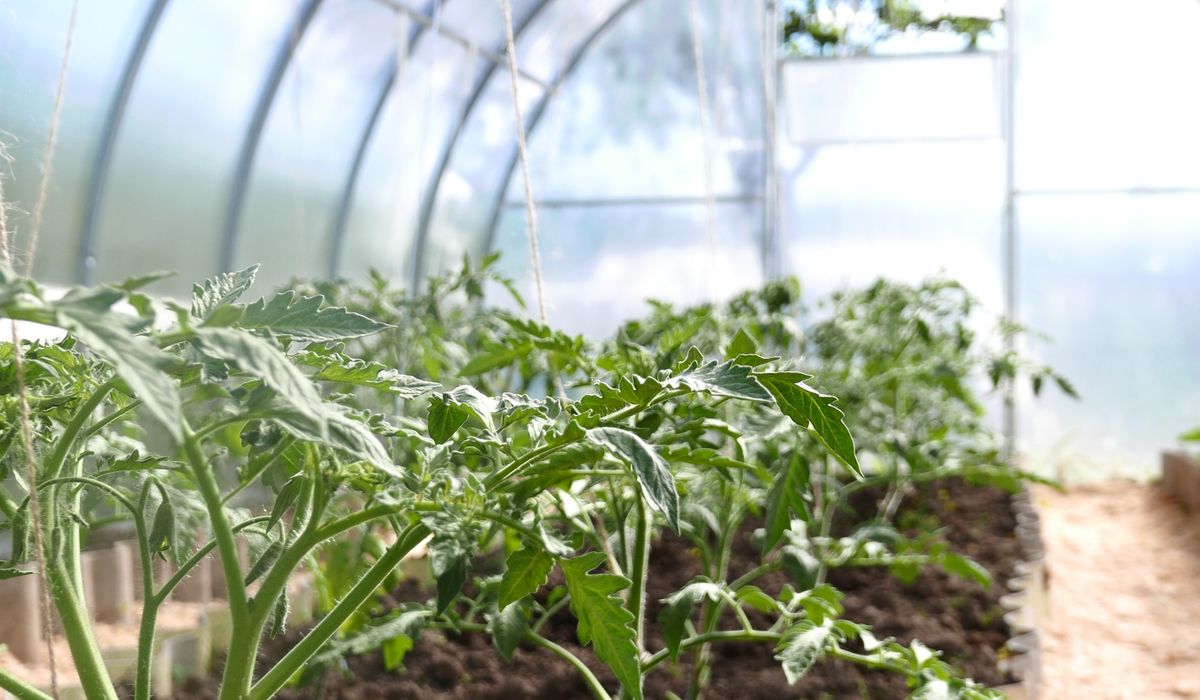
Growing Winter Salad Crops Under Cover
Why Winter Salad Is Worth the Effort
There is something quietly satisfying about stepping out into a cold, grey morning in January and cutting a handful of fresh rocket for your sandwich. While the veg patch is largely dormant and the supermarkets are shipping in bags of leaves from goodness knows where, a modest covered bed can keep you in salad right through until spring.
The trick is not to fight the British winter, but to work with it. Hardy salad crops do not need warmth — they need protection from the worst of the wind, the rain and the hard frosts. Give them that, and they will tick along slowly but steadily, producing tender leaves at exactly the point when you have almost forgotten what fresh greens taste like.
Autumn is the moment to act. Sow too late and the plants will not have time to establish before the cold sets in; sow too early and they may bolt or run to seed. The sweet spot for most of the UK runs from late August through to the end of September, with a second, more optimistic sowing in early October if you have a polytunnel or cloche to hand.
The Best Crops for Cold-Weather Cutting
Not all salad leaves are created equal when the mercury drops. The ones that perform best are those with a natural tolerance for low temperatures and short daylight hours.
- Winter lettuces — look for hardy varieties such as 'Winter Density', 'Arctic King' or 'Valdor'. These form loose hearts and cope with light frosts, especially under cover.
- Rocket — wild rocket is tougher than the salad type and keeps producing for months. It will slow down but rarely gives up.
- Mizuna — a star of the winter garden. Its feathered leaves are peppery, fast-growing and remarkably frost-hardy.
- Claytonia — also called winter purslane. Almost indestructible, with succulent leaves and a mild, almost sweet flavour.
- Corn salad (lamb's lettuce) — a traditional winter staple, low-growing and very cold-tolerant.
- Mustard greens and tatsoi — punchy, productive and quick to regrow after cutting.
A mix of these gives you variety in the bowl and insurance in the ground. If one crop sulks, another will usually step up.
Sowing in Autumn for a Steady Supply
Sow into a fine, firm seedbed with plenty of well-rotted compost worked in a few weeks beforehand. Salad crops have shallow roots, so they appreciate soil that holds moisture without becoming waterlogged — a real risk in a British autumn.
Sow thinly in rows about 15cm apart, or broadcast in blocks if you prefer to cut and come again. Cover the seed lightly with soil or vermiculite and water gently. Germination is quick while the soil is still warm, often within a week.
Once the seedlings are up, thin them to around 10–15cm apart for lettuces and closer for rocket and mizuna. Thinnings make an excellent early crop in their own right — rinse them and treat them as microgreens. Keep the bed weed-free, because winter weeds will happily outcompete slow-growing salad.
Succession sowing is the key to a long harvest. Rather than sowing everything at once, put in a small row every fortnight through September. That way a single hard frost or a slug attack will not wipe out your entire winter supply.
Protection Options for UK Gardens
You do not need a heated greenhouse. A little shelter goes a very long way.
- Horticultural fleece — the simplest option. Drape it over hoops or directly over the crop, weighting the edges with stones or soil. It lifts temperatures by a couple of degrees and keeps wind and frost off the leaves. Lift it on mild days to let air circulate.
- Cloches — glass or plastic cloches are ideal for small beds and individual rows. They warm the soil and protect plants from rain damage.
- Polythene covers — a simple hoop-supported polytunnel or low tunnel gives excellent protection. Ventilate on sunny days to prevent overheating and damp-related moulds.
- Cold frames — perfect for a cut-and-come-again patch close to the back door.
- Raised beds with covers — raising the bed improves drainage, and a fitted cover turns it into a productive winter unit.
Whichever you choose, anchor it well. A February gale will make short work of a flapping sheet of fleece, and shredded plastic is no help to anyone.
Keeping Plants Healthy Through the Cold Months
Winter salads grow slowly, so they need less water than summer crops — but they still need some. Water sparingly in the morning, ideally before the coldest weather arrives, and avoid wetting the leaves. Damp foliage combined with still, cold air is an open invitation to grey mould and downy mildew.
Ventilation matters just as much as protection. On mild, dry days, open the ends of your tunnel or lift the fleece for a few hours. Good airflow keeps disease at bay and prevents the weak, drawn growth that comes from weeks under cover.
Slugs remain active in all but the hardest weather. Set traps, clear debris and check under pots and boards. Pigeons and other birds will also peck at exposed leaves, so netting over the top of your protection is worth considering.
Finally, resist the urge to feed. A little seaweed or comfrey tonic in late autumn is fine, but rich feeding encourages soft growth that frost will destroy. Slow and steady wins this particular race.
Harvesting and Making the Most of Your Crop
Begin harvesting outer leaves when plants are large enough to spare them, usually from late November onwards. Cut individual leaves rather than pulling whole plants, and the crop will keep producing for weeks.
In very cold spells, growth stops almost entirely — the plants simply sit and wait. That is perfectly normal. Once temperatures lift, they will resume. If a hard frost is forecast, harvest what you need in advance and store leaves in the fridge; they will keep far better than anything shop-bought.
Come March, the same plants will suddenly surge, giving you an early flush of leaves just as the new season's sowings go in. With a little planning each autumn, a covered bed of hardy salads can supply your kitchen from October right through to the hungry gap — and there is no fresher taste than that.


Greenhouses
-
Collect fallen leaves in autumn, store them in a wire bin or bags, and wait a year for rich leaf mould.


Cold Frames



-

Long established fact that a reader will be distracted
-

Long established fact that a reader will be distracted
-

Long established fact that a reader will be distracted




Polytunnels
Karla Gleichauf
12 May 2017 at 05:28 pm
On the other hand, we denounce with righteous indignation and dislike men who are so beguiled and demoralized by the charms of pleasure of the moment
M Shyamalan
12 May 2017 at 05:28 pm
On the other hand, we denounce with righteous indignation and dislike men who are so beguiled and demoralized by the charms of pleasure of the moment
Liz Montano
12 May 2017 at 05:28 pm
On the other hand, we denounce with righteous indignation and dislike men who are so beguiled and demoralized by the charms of pleasure of the moment