

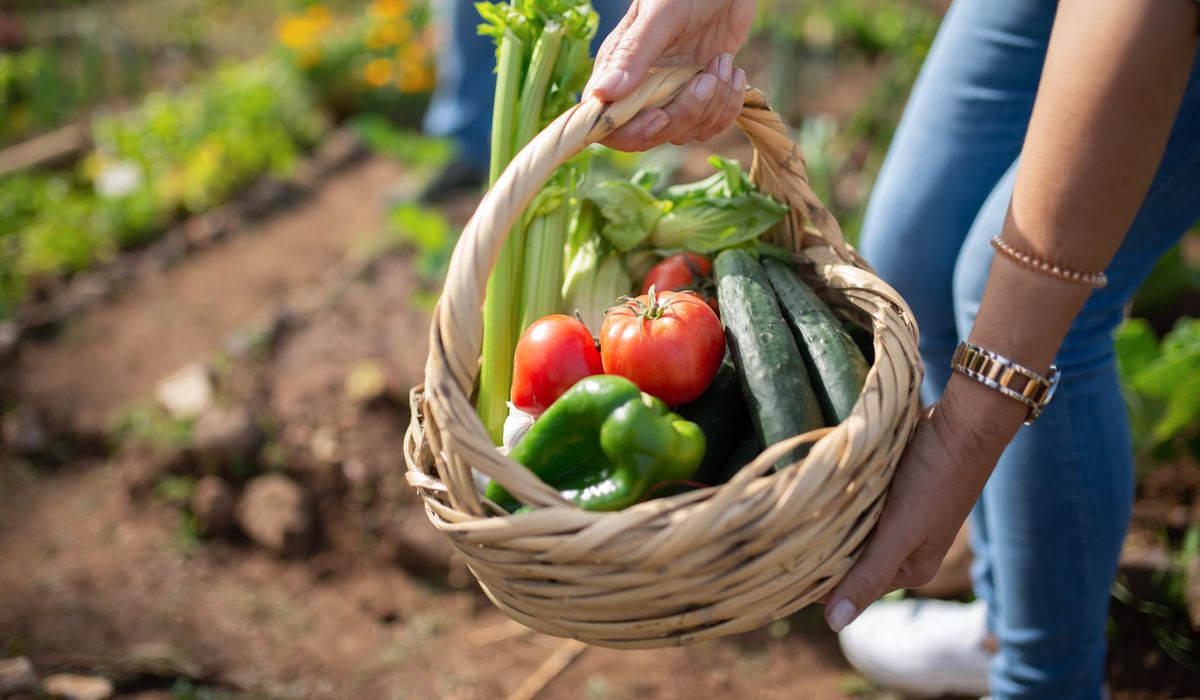
Saving Seeds from Greenhouse Tomatoes and Peppers
Why saving seed suits the greenhouse grower
There is something quietly satisfying about a jam jar of tomato seeds fermenting on the kitchen windowsill in early September. If you grow under glass, you already have the two things seed saving needs most: a long season and fully ripened fruit. Greenhouse tomatoes and peppers sit on the plant until they are truly mature, which is exactly what a viable seed requires. Outdoor crops are often picked early to beat the blight or the first frost, and seeds from underripe fruit germinate poorly or not at all.
Saving your own seed also means you can select for what works in your garden. Save from the plant that cropped heaviest, resisted botrytis, or simply tasted best, and within a few seasons you have a strain tuned to your soil, your greenhouse and your cooking.
Choose the right fruit, and the right plants
Start by being ruthless about your parent plants.
- Pick from your healthiest, most productive plants — never from a sickly one, however tasty the fruit.
- Avoid saving from F1 hybrids. Their seed will grow, but the offspring will be a mixed bag and rarely resemble the parent.
- Let tomatoes go properly ripe: beyond eating ripeness, until the skin is deep-coloured and just beginning to soften. Fruit from the second or third truss is often the best bet.
- For peppers, wait until the fruit has fully changed colour — red, orange or yellow depending on variety — and is starting to wrinkle slightly. Green peppers contain immature seed.
- Leave a couple of fruits on each chosen plant purely for seed. Mark them with a twist of string so nobody picks them for the salad.
Fermenting tomato seeds, step by step
Tomato seed sits inside a gelatinous sack that inhibits germination and can carry seed-borne disease. Fermenting removes both, and it is far easier than it sounds.
- Halve the fruit and squeeze or scoop the seeds and pulp into a small jar. Add roughly twice their volume of water.
- Cover loosely with a square of muslin or cling film poked with holes, and stand it somewhere warm at around 20–24°C, out of direct sun. A kitchen windowsill is ideal.
- Leave for three to five days. A layer of mould will form on the surface — this is normal and is the fermentation doing its work.
- Stir once a day to keep things moving and to stop the mould forming a solid cap.
- It is ready when most of the good seed has sunk to the bottom and the pulp and hollow seeds float. Give the jar a final swirl and a gentle rub with your fingers to release any seed still clinging to the pulp.
Pour off the floating debris, then top up with water, swirl and pour again. Repeat until the water runs clear.
Rinsing and drying on paper
Tip the settled seed into a fine sieve and rinse under tepid water, rubbing gently with your fingertips until every trace of pulp has gone. Then spread the seed in a single layer on paper.
Ordinary writing paper, brown paper or a paper coffee filter works beautifully. Avoid kitchen paper — seed welds itself to the embossed surface and you will lose half of it. Label the sheet straight away with the variety and the date.
Leave it to dry somewhere warm, dry and airy for seven to fourteen days. Not a sunny windowsill, which can cook the seed, and not a cold shed. Turn the seed once or twice in the first few days so nothing sticks. It is properly dry when a seed snaps crisply between your teeth rather than bending. At that point you can either store the seed still on its labelled paper, or rub it off and pour it into a jar.
Peppers: no fermentation needed
Pepper seed has no gelatinous sack, so it dries perfectly well straight from the fruit. Cut around the stalk, lift out the core, and the seed will be clustered on the white placenta. Rub them off with your thumb onto a plate or sheet of paper and spread them out.
Dry for one to two weeks, stirring daily so they do not clump. Be careful with chillies: wash your hands thoroughly afterwards, and never rub your eyes. Peppers cross readily with other varieties of the same species, so if you want to keep a strain true, either grow only one variety of each type or tie a small paper bag over a few blossoms before they open and hand-pollinate with a soft brush.
Storing seed for next season and beyond
Cool, dark, dry and stable is the rule. An airtight jar with a sachet of silica gel, or a spoonful of dry rice at a push, keeps moisture out. Store at around 5–10°C — the door of a fridge, or an unheated but frost-free room — and avoid anywhere the temperature swings about.
Tomato seed generally keeps four to six years; peppers two to four. Write the variety, the year and a note such as "best cropper, 2025" on the jar. If you are unsure whether old seed is still alive, germinate a few on damp kitchen paper in a warm spot a fortnight before you plan to sow. If they sprout, you are in business.


Greenhouses
-
Layer cardboard and compost to suppress weeds, then plant directly into the bed without turning the soil over.
Cold Frames
-

Long established fact that a reader will be distracted
-

Long established fact that a reader will be distracted
-

Long established fact that a reader will be distracted

Polytunnels
Karla Gleichauf
12 May 2017 at 05:28 pm
On the other hand, we denounce with righteous indignation and dislike men who are so beguiled and demoralized by the charms of pleasure of the moment
M Shyamalan
12 May 2017 at 05:28 pm
On the other hand, we denounce with righteous indignation and dislike men who are so beguiled and demoralized by the charms of pleasure of the moment
Liz Montano
12 May 2017 at 05:28 pm
On the other hand, we denounce with righteous indignation and dislike men who are so beguiled and demoralized by the charms of pleasure of the moment